
Your search results
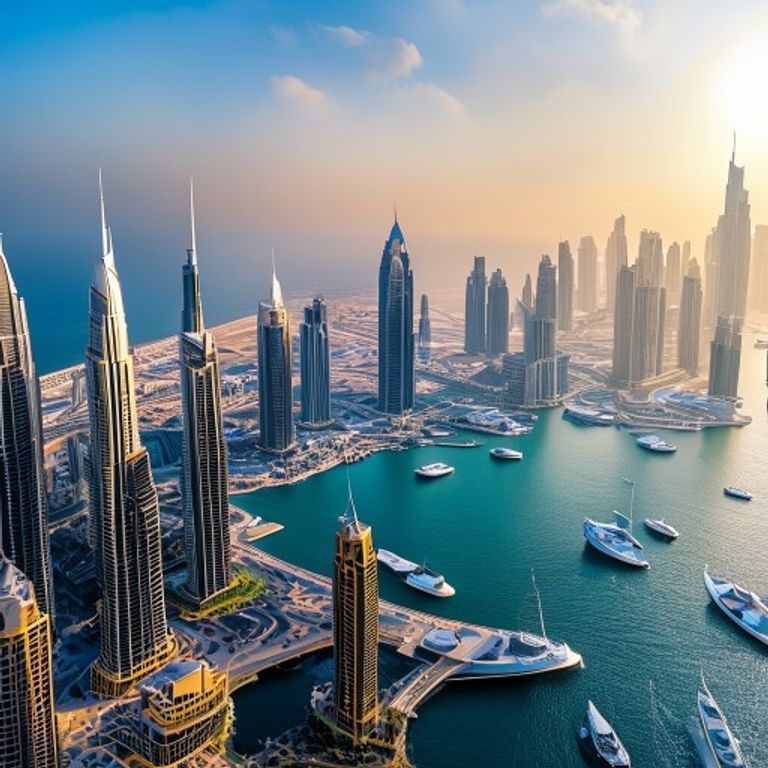
UAE Real Estate Market July 2026: Trends & Forecast
The UAE property market continues to attract global attention in mid-2026, with steady transaction volumes, maturing regulation, and rising demand from foreign investors. As of July 15, 2026, Dubai remains the region’s headline performer, but Abu Dhabi, Sharjah, Ras Al Khaimah, and Ajman are all carving out distinct roles for buyers, sellers, landlords, and tenants. This guide breaks down the latest UAE real estate news in simple language, backed by market context and practical insight.
Dubai Real Estate Market: Still the Regional Powerhouse
Dubai’s real estate market has matured beyond the rapid post-pandemic surge into a phase of more sustainable growth. Transaction activity through the first half of 2026 has stayed robust, driven by strong end-user demand, ongoing population growth, and continued interest from foreign investors in Dubai property.
Dubai property prices in established communities have continued to climb, though at a more measured pace than the double-digit jumps seen in 2022 and 2023. Prime and ultra-prime segments—think Palm Jumeirah villas, Dubai Hills Estate properties, and waterfront penthouses—remain resilient because supply of trophy assets is limited relative to global wealth flowing into the city.
Apartments and Villas: Where the Demand Sits
Dubai apartment prices have been supported by strong rental demand, especially in connected, amenity-rich districts. Dubai Marina apartments continue to be a favourite for tenants and investors seeking reliable rental yield in Dubai, thanks to their lifestyle appeal and consistent occupancy.
The Dubai villa market remains tight. Family buyers relocating to the UAE prize space, private gardens, and gated community living, keeping demand high in areas like Dubai Hills Estate, Arabian Ranches, and Tilal Al Ghaf. Limited ready villa stock in these communities has helped sustain premium pricing.
UAE Off-Plan Projects Driving Investment
Dubai off-plan projects remain a central pillar of the market. Flexible payment plans, competitive entry prices, and developer incentives continue to attract both first-time buyers and seasoned investors. Major developers such as Emaar Properties and Damac Properties keep launching phased communities, while Dubai South properties are gaining momentum thanks to proximity to Al Maktoum International Airport expansion and long-term infrastructure investment.
For those looking at UAE property investment opportunities, off-plan can offer capital appreciation potential during construction—but buyers should always verify escrow arrangements, developer track records, and project registration with the Dubai Land Department (DLD).
Beyond Dubai: Abu Dhabi, Sharjah, RAK and Ajman
Abu Dhabi
Abu Dhabi has strengthened its position as a stable, capital-preservation market. Investment zones such as Yas Island, Saadiyat Island, and Al Reem Island continue to attract buyers seeking a blend of lifestyle, culture, and long-term value, supported by government-backed development and strong sovereign investment.
Ras Al Khaimah
Ras Al Khaimah has become one of the most talked-about emirates, largely due to major integrated resort and tourism developments on Al Marjan Island. The influx of hospitality and leisure projects has boosted investor interest in off-plan units targeting short-term rental and holiday-home demand.
Sharjah and Ajman
Sharjah continues to appeal to value-focused buyers and tenants priced out of Dubai, with freehold zones widening options for expatriates. Ajman remains one of the most affordable entry points into UAE real estate, popular with budget-conscious investors seeking higher gross yields on smaller ticket sizes.
The UAE Golden Visa Effect
The UAE Golden Visa remains a powerful driver of long-term demand. Property investment above the qualifying threshold can secure long-term residency, encouraging buyers to view UAE real estate as a lifestyle and stability play rather than a purely speculative one. This has helped anchor the market with genuine end-users, reducing the volatility seen in previous cycles.
Best Areas to Invest in Dubai in 2026
- Dubai Hills Estate – family villas and townhouses with strong capital growth.
- Dubai Marina – dependable rental yield and high tenant demand.
- Palm Jumeirah – prime luxury villas Dubai buyers covet.
- Dubai South – long-term growth tied to airport and logistics expansion.
- Business Bay & JVC – accessible apartments for sale in Dubai with balanced entry prices.
UAE Real Estate Forecast: What to Expect
Market analysts broadly expect the UAE property market to remain healthy through the rest of 2026, with growth cooling to a more sustainable pace rather than reversing. Key factors supporting this outlook include population growth, business-friendly reforms, tourism strength, and the ongoing appeal of residency-linked investment.
Prudent investors should watch new supply pipelines in the apartment segment, as significant handovers could moderate price growth in some districts. Prime villas and well-located, quality-built stock are expected to outperform.
Frequently Asked Questions
Is it a good time to buy property in Dubai in 2026?
For long-term end-users and investors, conditions remain favourable thanks to stable demand, residency incentives, and diverse options. As always, location, developer quality, and financial planning matter more than timing the market.
Can foreign investors buy property in Dubai?
Yes. Foreign investors can buy freehold property in designated areas across Dubai and other emirates, and qualifying purchases may support a UAE Golden Visa application.
What is a good rental yield in Dubai?
Gross rental yields in Dubai commonly range from around 5% to 8%, with affordable and mid-market apartment communities often delivering higher yields than prime villas.
Are off-plan projects safe to invest in?
Reputable Dubai off-plan projects use regulated escrow accounts and DLD registration. Always verify the developer’s track record and project approvals before committing.
Which emirate is most affordable?
Ajman and Sharjah typically offer the most affordable entry points, while Dubai and Abu Dhabi command higher prices in prime districts.
Work With a Trusted Dubai Property Consultant
Navigating the UAE property market—from apartments for sale in Dubai to villas for sale in Dubai and high-yield off-plan launches—is easier with expert guidance. Our real estate agency in Dubai helps buyers, sellers, and investors make confident, data-driven decisions.
Ready to explore UAE property investment opportunities? Contact our UAE real estate consultancy today for a personalised strategy, market insights, and access to the best areas to invest in Dubai.
Related Posts
UAE Real Estate Market Update July 2026: Tre...
A comprehensive July 2026 update on the UAE property market covering Dubai, Abu Dhabi, Sharjah, Ras Al Khaimah and ...
Continue reading 
UAE Real Estate Market 2026: Trends & In...
A comprehensive July 2026 update on the UAE property market covering Dubai, Abu Dhabi, Sharjah, Ras Al Khaimah, and ...
Continue reading 
UAE Real Estate Market July 2026: Trends &am...
A comprehensive July 2026 update on the UAE property market covering Dubai, Abu Dhabi, Sharjah, Ras Al Khaimah, and ...
Continue reading