
Your search results
UAE Real Estate Market Update July 2026: Trends & Forecast
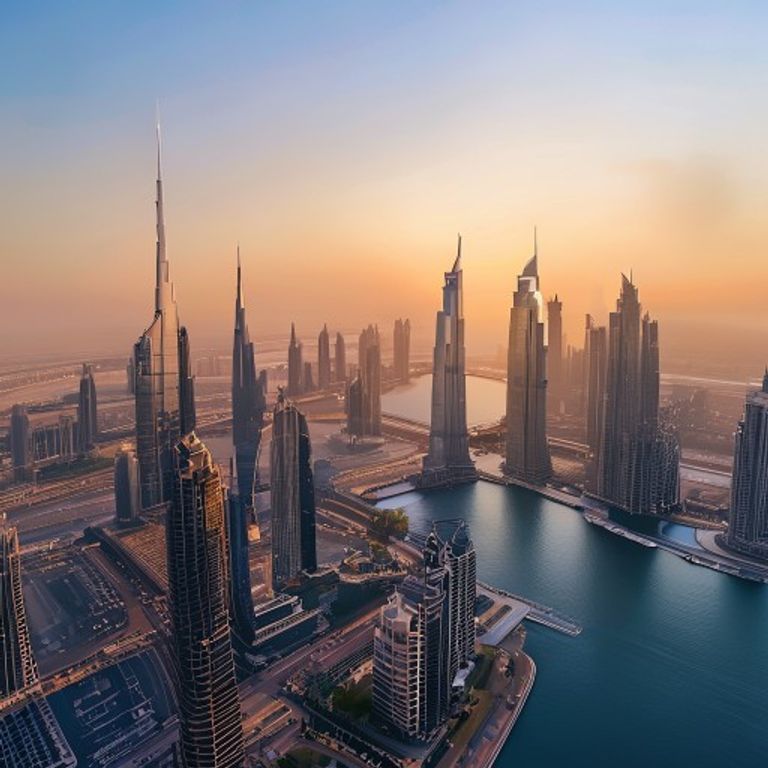
As we cross the midpoint of 2026, the UAE property market continues to defy expectations. Sustained population growth, investor-friendly reforms, and a maturing regulatory framework have kept the Dubai real estate engine running while Abu Dhabi, Sharjah, Ras Al Khaimah and Ajman carve out their own investment stories. Whether you are a first-time home buyer, a landlord, or a global investor exploring UAE property investment opportunities, this July 2026 update breaks down what is happening now and what to expect next.
The State of the Dubai Real Estate Market in Mid-2026
Dubai’s transaction momentum from previous record years has carried into 2026, with the market shifting from explosive price growth toward a more sustainable, quality-driven phase. Buyers today are more selective, prioritising well-connected communities, credible developers, and strong handover track records.
Dubai property prices in prime areas have stabilised at elevated levels, while emerging communities offer more accessible entry points. The story is no longer just about capital appreciation, it is increasingly about consistent rental income and long-term liveability.
Where Prices Are Holding Strongest
- Palm Jumeirah villas and branded residences continue to command premium pricing thanks to limited supply and enduring global demand.
- Dubai Marina apartments remain a rental favourite, driven by lifestyle appeal and high tenant turnover.
- Dubai Hills Estate properties attract families seeking green, master-planned living close to the city.
- Dubai South properties are gaining traction as infrastructure around Al Maktoum International Airport expands, positioning the area as a long-term growth corridor.
Off-Plan Remains the Investor Favourite
Off-plan continues to dominate a large share of Dubai transactions. Flexible payment plans, staggered milestones, and post-handover options make Dubai off plan projects attractive to investors who want to spread capital over time. Leading developers such as Emaar properties and Damac properties keep launching new phases across established and emerging districts.
That said, seasoned analysts advise caution on speculative flipping. With more supply entering the pipeline, choosing the right developer, location, and completion timeline matters more than ever. Due diligence, not hype, is the strategy for 2026.
Rental Yields and the Landlord Advantage
One of the biggest draws of the Dubai real estate market remains its competitive returns. Rental yield Dubai figures for well-positioned apartments typically range between 6% and 8% gross, outperforming many mature global cities. Affordable and mid-market communities often deliver the highest yields, while ultra-prime luxury villas Dubai tend to prioritise capital preservation and lifestyle over raw yield.
New rental index tools and the Smart Rental Index continue to bring transparency, helping both landlords and tenants understand fair pricing and reduce disputes.
Beyond Dubai: Abu Dhabi, Sharjah, RAK and Ajman
Abu Dhabi
The capital is attracting investors with high-quality waterfront and island developments, cultural mega-projects, and a growing reputation as a stable, family-focused market. Yields are healthy and entry prices are often lower than comparable Dubai stock.
Sharjah
Sharjah’s freehold opportunities for expatriates have opened the door to affordable homeownership, appealing to families priced out of central Dubai but wanting proximity to it.
Ras Al Khaimah
RAK is arguably the standout emerging market of 2026. Anticipation around integrated resort and entertainment developments has fuelled strong interest in off-plan and beachfront assets, positioning the emirate as a tourism-led investment hotspot.
Ajman
Ajman remains the value play, offering some of the most affordable purchase prices in the UAE and attracting budget-conscious investors seeking rental income.
The Golden Visa Effect
The UAE Golden Visa continues to be a powerful magnet for foreign investors Dubai property buyers. Qualifying property investment grants long-term residency, giving families stability and investors confidence. This residency-by-investment pathway is a key reason the UAE keeps drawing capital from Europe, Asia, and the wider region.
UAE Real Estate Forecast for the Rest of 2026
The UAE real estate forecast for the remainder of the year points to continued but more measured growth. Expert sentiment across the industry suggests:
- Steadier price appreciation rather than sharp spikes, favouring genuine end-users and long-term investors.
- Rising demand in emerging and infrastructure-linked communities such as Dubai South and RAK.
- Sustained appetite for apartments for sale in Dubai and villas for sale in Dubai in family communities.
- Growing importance of sustainability, smart-home features, and branded residences.
Frequently Asked Questions
Is now a good time to buy property in Dubai?
For long-term investors and end-users, 2026 offers a more balanced market with strong yields and residency benefits. As with any purchase, location, developer credibility, and budget alignment are key.
What are the best areas to invest in Dubai?
Popular options include Dubai Marina, Dubai Hills Estate, Palm Jumeirah, Business Bay, and up-and-coming Dubai South, each catering to different goals and budgets.
What rental yields can I expect in Dubai?
Gross rental yields commonly range from 6% to 8% in well-located apartment communities, though this varies by area and property type.
Can foreigners buy property in the UAE?
Yes. Foreign investors can buy freehold property in designated areas across Dubai and other emirates, and qualifying investments may lead to a UAE Golden Visa.
Work With a Trusted Dubai Property Consultant
Navigating the fast-moving UAE property market requires local expertise, verified data, and honest guidance. Whether you want to buy property in Dubai, explore off-plan launches, or build a rental portfolio across the Emirates, our experienced team is here to help.
Ready to make your move? Contact our UAE real estate consultancy today for a personalised, no-obligation consultation. Let our expert property advisors help you find the right investment, negotiate confidently, and secure your future in one of the world’s most dynamic markets.
Related Posts
UAE Real Estate Market Update July 2026: Tre...
A comprehensive July 2026 update on the UAE property market covering Dubai, Abu Dhabi, Sharjah, Ras Al Khaimah and ...
Continue reading 
UAE Real Estate Market 2026: Trends & In...
A comprehensive July 2026 update on the UAE property market covering Dubai, Abu Dhabi, Sharjah, Ras Al Khaimah, and ...
Continue reading 
UAE Real Estate Market July 2026: Trends &am...
A comprehensive July 2026 update on the UAE property market, covering Dubai, Abu Dhabi, Sharjah, Ras Al Khaimah, an ...
Continue reading